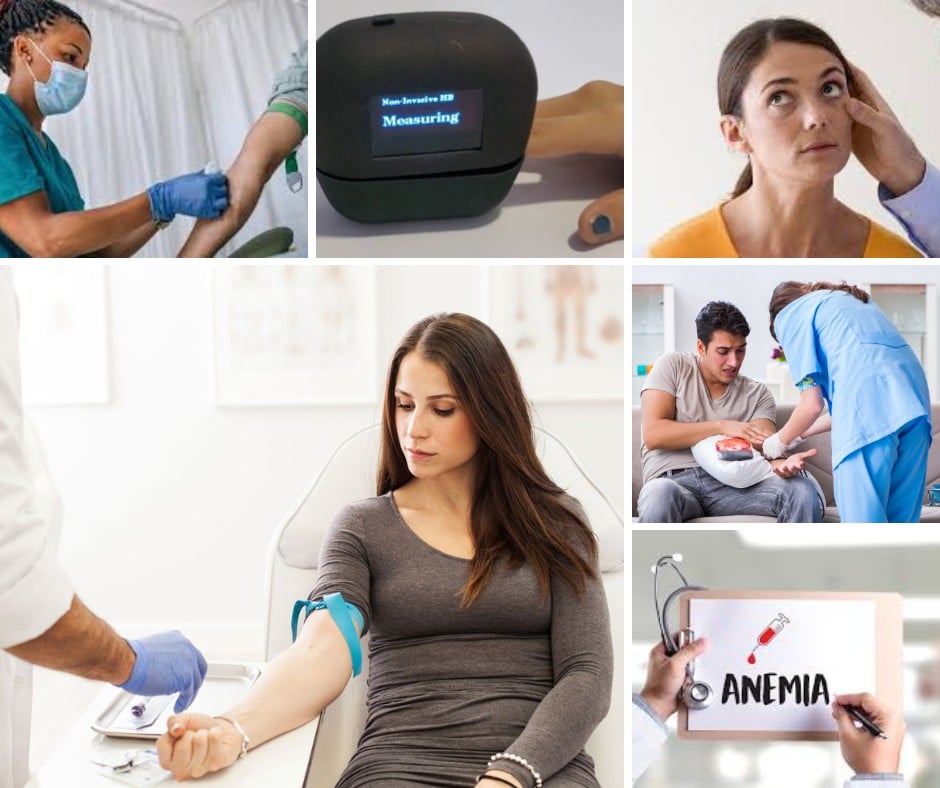
Why community-based Hemoglobin monitoring is critical for addressing the burden of Anemia in the world
Introduction to Community-Based Hemoglobin Monitoring for Anemia
Anemia remains one of the world’s most common public health challenges, affecting millions of women, children, and vulnerable populations. According to the World Health Organization anemia contributes to maternal mortality, impaired child development, cardiovascular complications, and poor health outcomes worldwide. Community-Based Hemoglobin Monitoring enables early detection of anemia while supporting preventive healthcare through Telemedicine Solutions and remote patient monitoring.
Why Regular Hemoglobin Monitoring Is Essential
Iron deficiency remains one of the leading causes of anemia. It may result from inadequate dietary intake, pregnancy, menstruation, chronic infections, or poor nutrient absorption. Although iron supplementation helps reduce anemia, treatment without baseline hemoglobin assessment and continuous monitoring may result in poor treatment compliance or unnecessary supplementation. Regular Hemoglobin Monitoring helps healthcare providers evaluate treatment effectiveness while ensuring patients receive appropriate care.
Risks of Unmonitored Iron Supplementation
Iron supplementation should always be guided by regular hemoglobin testing. Excessive or prolonged iron intake without proper monitoring may increase the risk of iron toxicity, organ damage, and long-term health complications. Free iron circulating in the bloodstream can damage cells through oxidative stress, affecting the liver, brain, and other vital organs. Community-based hemoglobin monitoring helps healthcare professionals identify patients who genuinely require treatment while reducing unnecessary supplementation.
Benefits of Community-Based Hemoglobin Monitoring
1.Early Detection of Anemia
Regular screening enables healthcare providers to identify anemia before severe complications develop.
2.Better Treatment Monitoring
Continuous monitoring improves compliance with iron supplementation while helping clinicians evaluate patient progress.
3.Improved Community Healthcare
Large-scale screening programs enable governments and healthcare organizations to identify high-risk populations and improve public health planning.
4.Reduced Healthcare Costs
Early diagnosis reduces hospital admissions and minimizes unnecessary laboratory testing.
The Role of Non-Invasive Hemoglobin Monitoring
Traditional laboratory testing often requires blood collection, trained staff, and laboratory infrastructure. Tech4Life’s Smart-Hb Non-Invasive Hemoglobin Monitor offers a fast, painless, and reliable alternative for anemia screening in hospitals, community clinics, schools, and home healthcare settings. Combined with Digital Healthcare Solutions, it enables healthcare providers to conduct regular hemoglobin monitoring with greater convenience and efficiency.
Conclusion
Community-Based Hemoglobin Monitoring is essential for reducing the global burden of anemia through early diagnosis, continuous monitoring, and better treatment decisions. Tech4Life’s Smart-Hb combines innovative non-invasive technology with modern Telemedicine Solutions to support healthcare providers, governments, and community health programs worldwide. Contact Us today to learn how our digital healthcare technologies can improve anemia screening and population health management.