Why Does Cleanliness Matter?
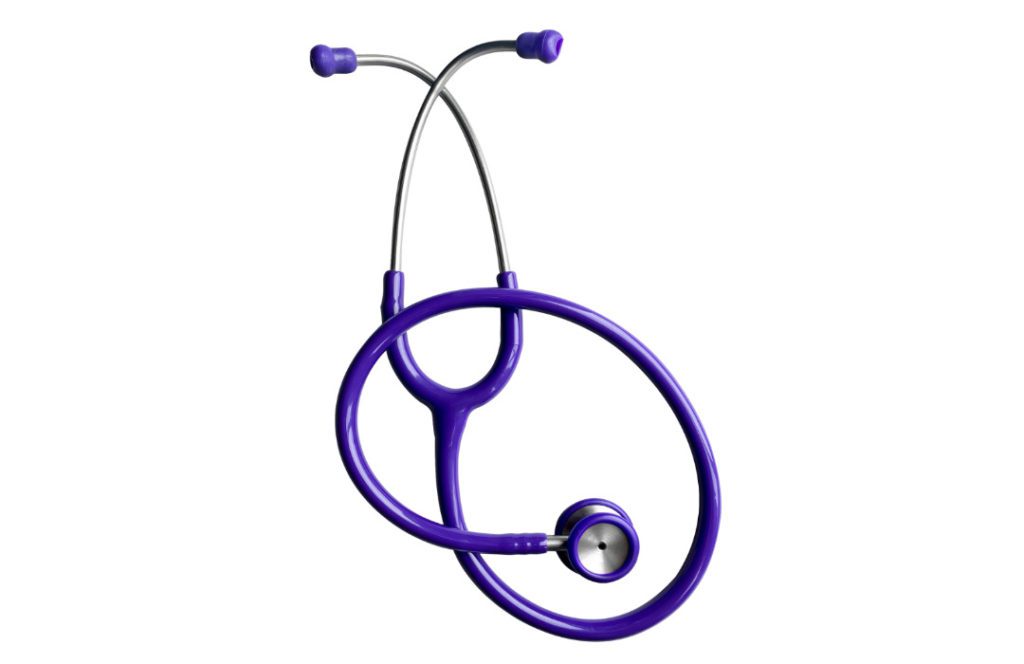
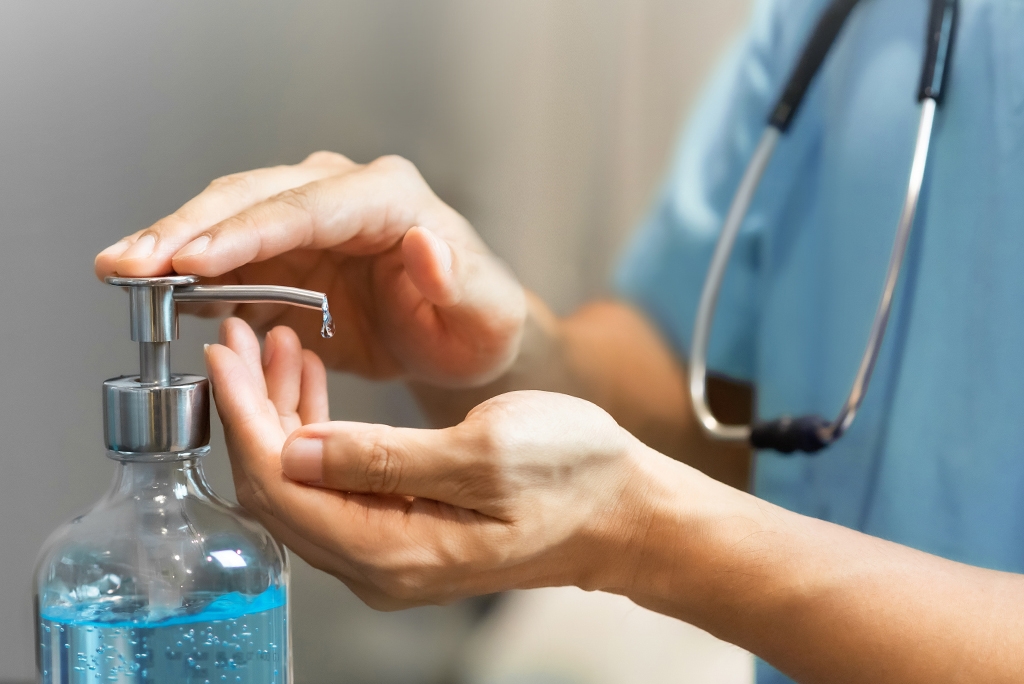
When the pandemic started, people made it their mission to minimize the chances of spreading infection by keeping the cleanliness of all things at the highest level possible. It’s not only hand-washing that people care about. It’s safe to say that we’re deep in the mindset that everything needs to be sterile. Speaking of things being in pristine condition, is there anyone who knows and cares about it more than medical professionals? Not only do they need to keep themselves safe, but their patients as well. That means their working spaces must be spotless. That’s not all, though. Their equipment needs to receive proper care too. So, let’s talk about how to clean a stethoscope, one of the most important tools every health providerhas.
How to Properly Clean Your eSteth?
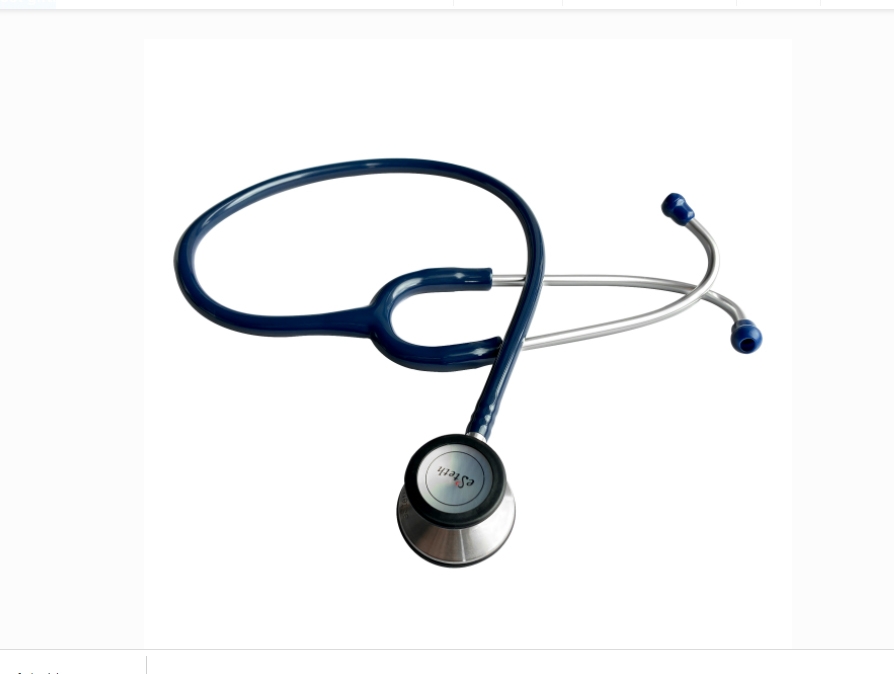
You should always take the best care possible of your instrument, no matter what kind of eSteth (or any other stethoscope) you have. With that in mind, there are some rules you should follow while cleaning it.
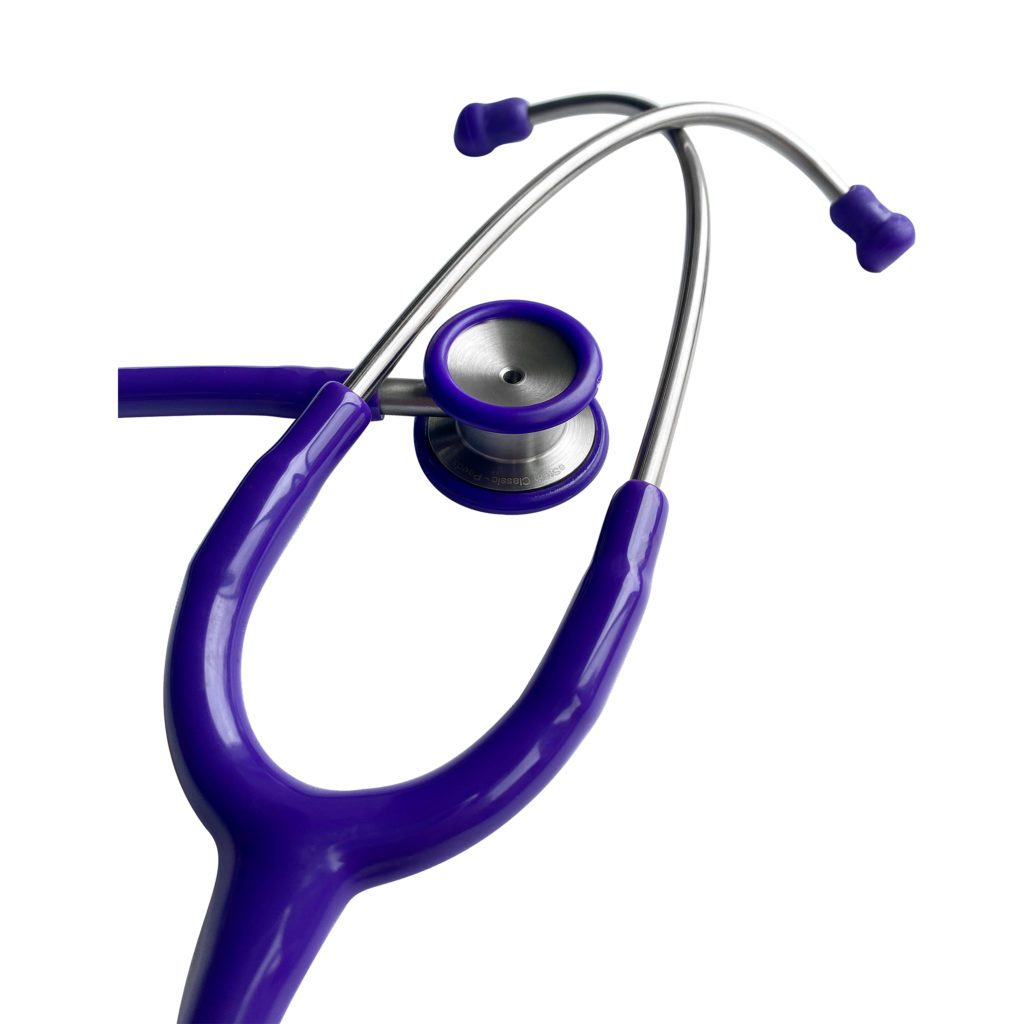
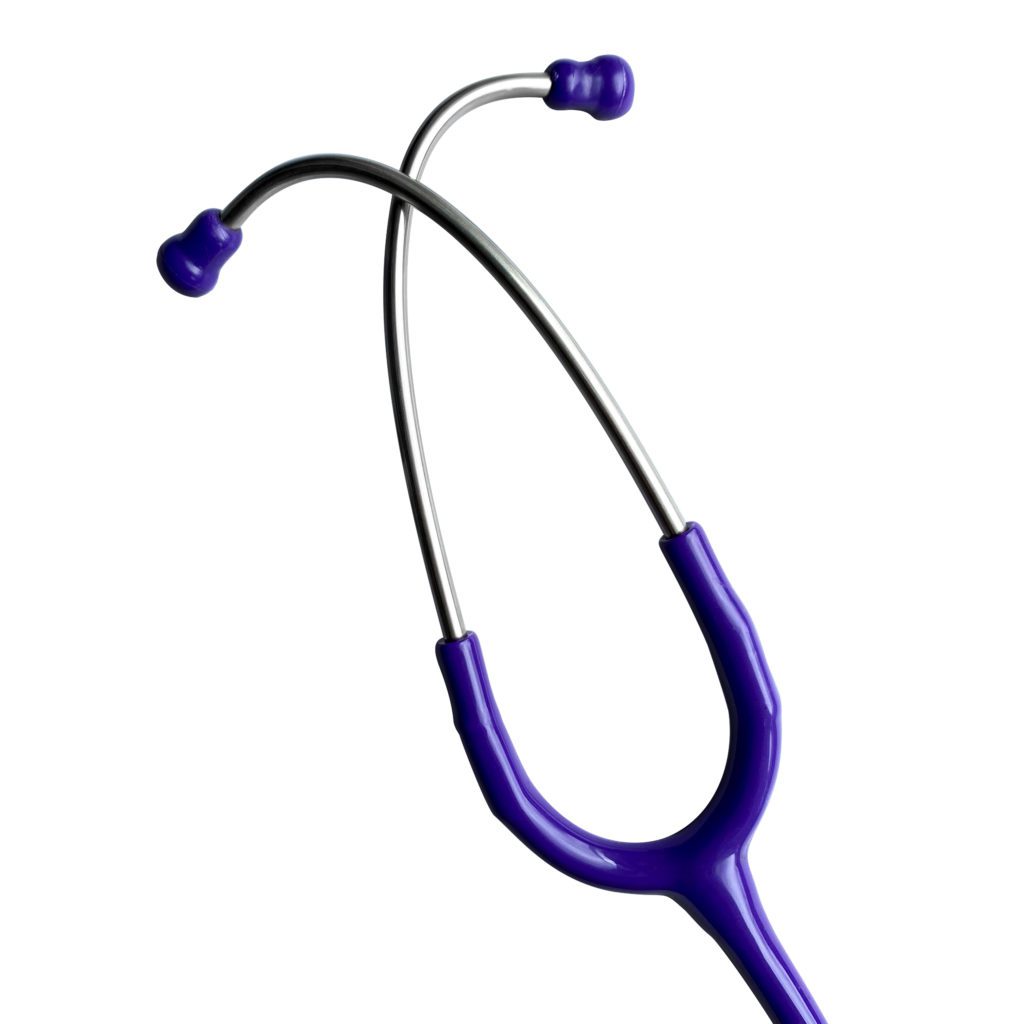
First and foremost, The recommended method is to wipe using a piece of gauze moistened with 70% alcohol or use an approved hospital-grade disinfectant wipe (such as a Virox wipe). Other options for cleaning are 0.5% Hydrogen Peroxide wipes, such as Accel Prevention Wipes, which are easily available in clinical setting or a clean gauze dipped in soap and water. It is recommended to wipe the stethoscopes from clean to dirty parts, typically from earpieces to diaphragm. It is also recommended to remove all the removable parts of the stethoscope from time to time, since cleaning only the bell and chest piece isn’t always enough.
Use cotton swabs and alcohol for earpieces because swabs work best for small, narrow places. We do not recommend pre-moistened Alcohol swabs because of their small size.
How Often Should You Clean Your Stethoscope?
Medical professionals use stethoscopes every single day. In other words, a lot of patients go through their offices every single day. That doesn’t mean that patients can contaminate each other through a stethoscope, but it isn’t unheard of. With that in mind, it’s essential to wipe the chest piece down after each patient.
By doing that, doctors are preventing spreading of infections from one patient to another. But how often should one clean the whole thing? Well, it all depends on how many patients a doctor has and what kind of patients they’re seeing. However, the general rule of occasional cleaning applies to all.
Cleaning your stethoscope doesn’t take much of your time, which is why you should never postpone it. Even though the chances of it spreading disease are minimal, it should still be taken into consideration. Having a stethoscope hygiene routine is always a good idea.
What Should You Use to Clean the Stethoscope?
Alcohol and sanitizers of all kinds are readily available because of COVID-19. However, that doesn’t mean that just any solution is good when cleaning a stethoscope. It’s best if you keep using hand sanitizer for your hands only.
Here are some of the solutions you should be using:
- 70% isopropyl alcohol solution;
- Mild, soapy water;
- 2% bleach solutions (unless you worry about tube discoloration).
Being careful with the stuff you use will ensure your stethoscope lasts you a long time. Another essential thing to remember is to never dip your equipment in any solution directly. Always use gauze, cotton pads, paper towels, rags, or cotton swabs to wipe it down instead.
Related: What are the Benefits of eSteth Stethoscopes
Conclusion
Taking the proper care of your equipment only means taking better care of your patients. That’s something medical professionals should always strive for. With a simple routine like this, keeping your stethoscope clean will never have to be a bother again.