How Digital Stethoscopes Are Transforming Healthcare
Introduction to Digital Stethoscopes
A digital stethoscope technology is transforming modern healthcare by enabling medical professionals to capture, amplify, record, and share heart and lung sounds during clinical examinations. Unlike traditional acoustic stethoscopes, digital stethoscopes can convert auscultation sounds into digital data, making it easier to store, review, and share clinical recordings.
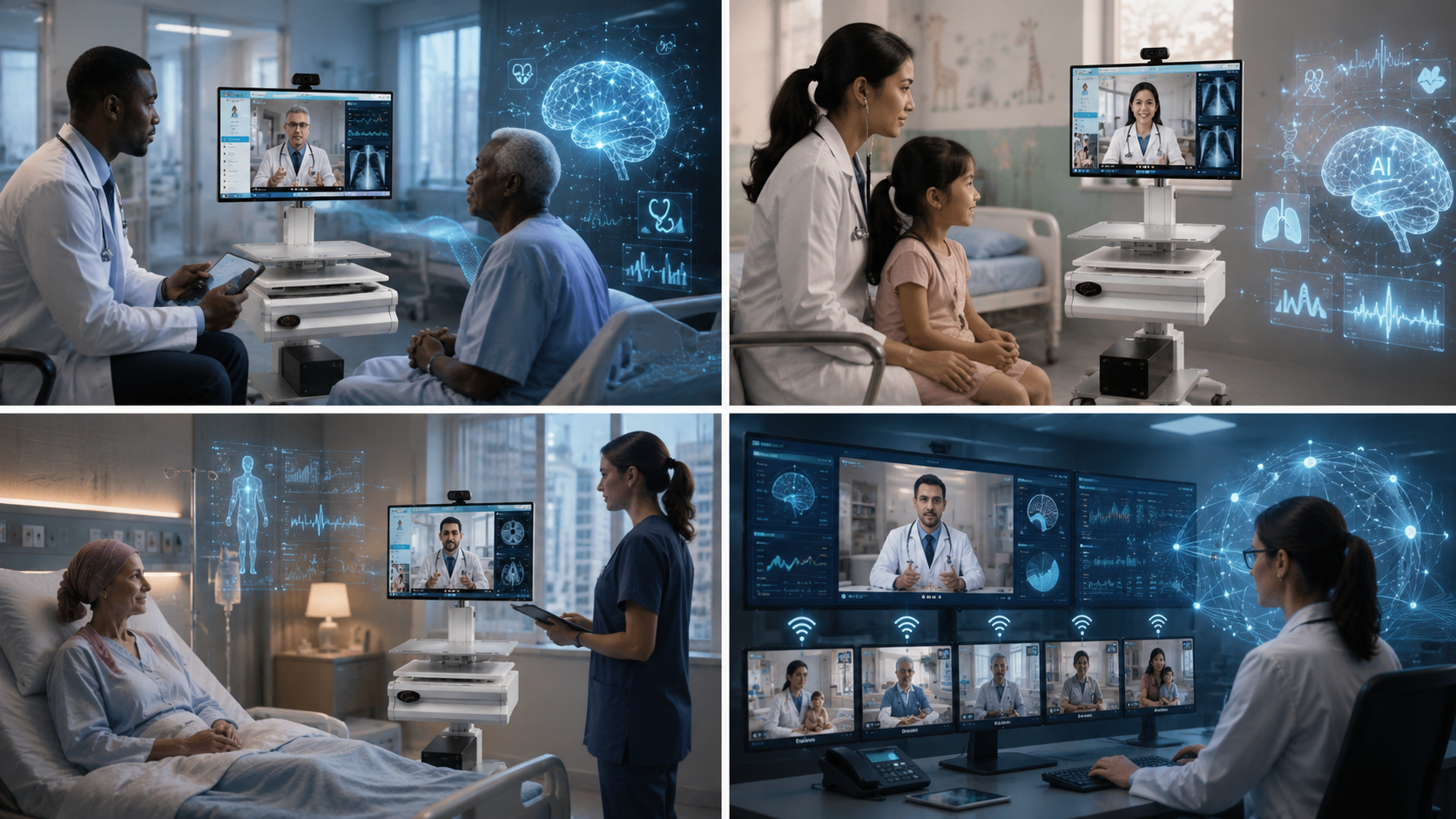
This technology is becoming an important telemedicine solution for remote patient care, allowing healthcare professionals to share auscultation recordings with specialists and other clinicians when in-person examinations are not possible. By connecting digital auscultation with telemedicine platforms and digital healthcare systems, clinicians can support more accessible and collaborative patient care across different locations.
What Is a Digital Stethoscope?
A digital stethoscope, also called an electronic stethoscope, is a medical device that converts body sounds into electronic signals. Clinicians use it the same way as a traditional stethoscope, placing the chest piece on the patient to listen to the heart, lungs, or bowel.
The difference is what happens next. Instead of travelling only through rubber tubing, the sound is processed electronically. Most models can amplify quiet sounds, reduce background noise, and record audio. Many can also send recordings to a phone, computer, or telemedicine platform via Bluetooth or a cable.
How Does a Digital Stethoscope Work?
A digital stethoscope works in four simple steps:
This digital signal is what makes everything else possible, from remote auscultation to AI-assisted analysis.
Key Benefits of Digital Stethoscopes for Healthcare Professionals
✔ Clearer sound in noisy places: Amplification and noise reduction help in busy emergency rooms, ambulances, and crowded clinics.
✔ Easier detection of faint sounds: Quiet murmurs and subtle lung sounds can be easier to hear when amplified.
✔ More inclusive practice: Amplification and headphone compatibility can help clinicians with hearing impairment take part in auscultation more fully.
✔ Better documentation: Recordings can be saved alongside the patient’s record and reviewed later.
✔ Second opinions made simple: A recording can be shared with a cardiologist or pulmonologist for review, without the patient travelling.
Digital Stethoscopes in Medical Education
Digital stethoscopes can also support medical education by allowing heart and lung sounds to be recorded, replayed, and reviewed during training. Medical students, nurses, and other healthcare professionals can use these examples to develop auscultation skills and recognize different clinical sounds.
Instructors can incorporate real-world recordings into classroom or practical training. Learners can listen to sounds repeatedly and discuss their clinical significance. This approach makes auscultation training more interactive while supporting practical clinical skills.
Digital Stethoscopes and AI-Assisted Healthcare
Because digital stethoscopes turn sound into data, that data can be analysed by software. Researchers and companies are developing artificial intelligence tools that look for patterns in heart and lung recordings, such as signs that may suggest a murmur or abnormal breathing.
These tools can give clinicians an extra layer of information, especially where specialists are scarce. They are also helping build large sound datasets for clinical research.
However, AI is a support tool, not a replacement for clinical judgement. Any AI-generated insight should be reviewed within proper clinical workflows, and qualified healthcare professionals should always make the final decision.
eSteth Digital Stethoscopes for Connected Healthcare
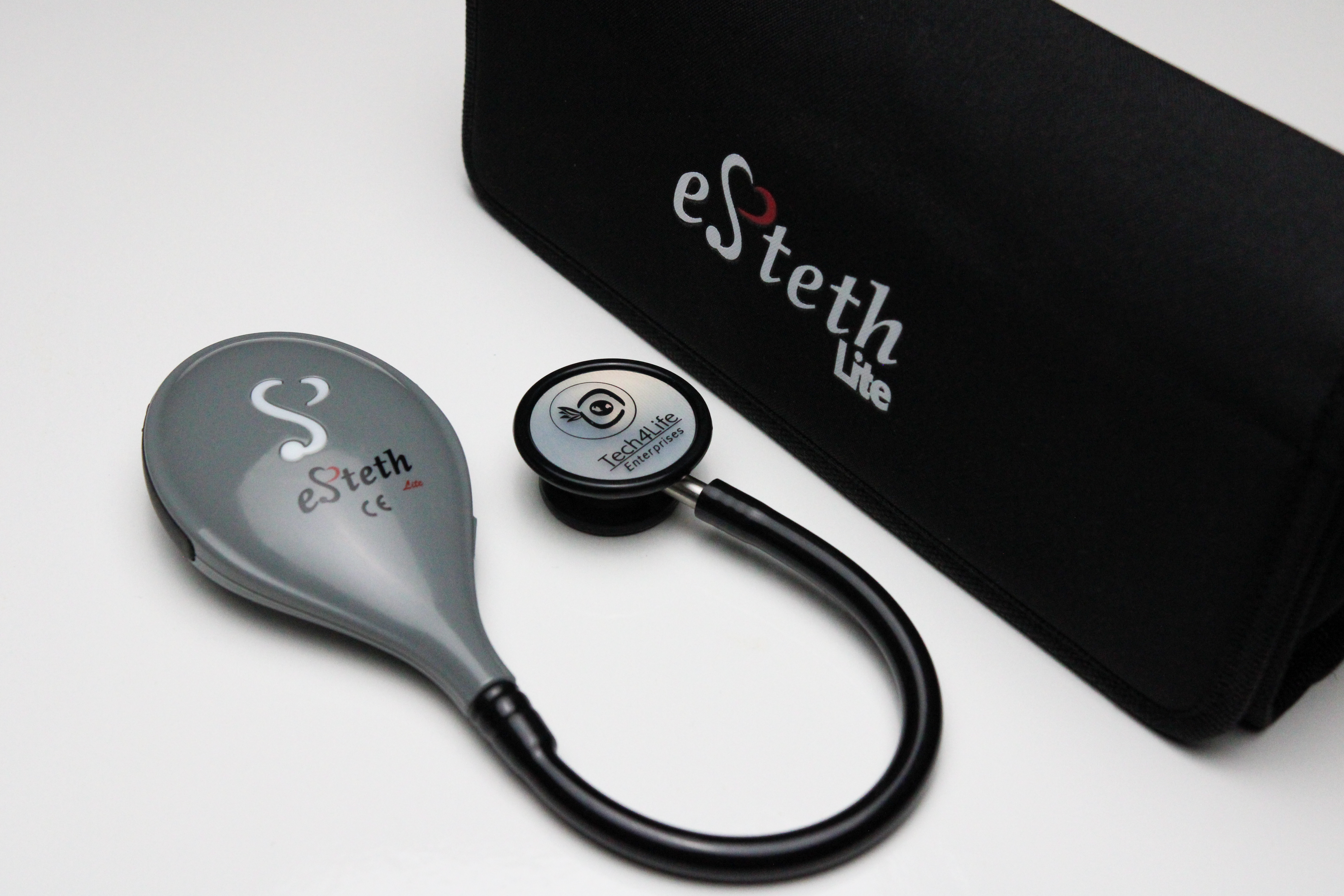
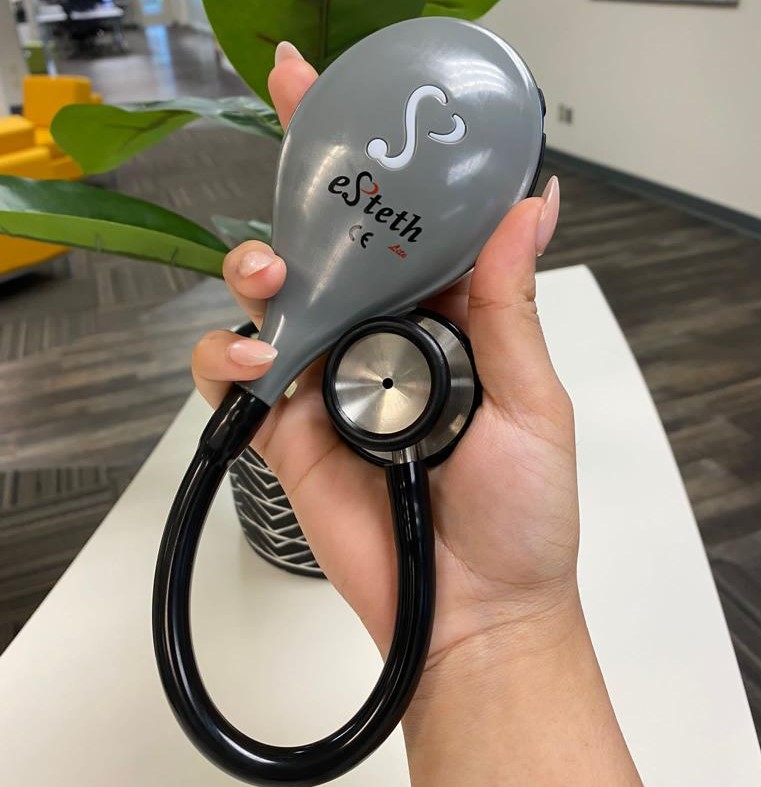
At Tech4Life Enterprises, we offer eSteth Stethoscopes are designed to support digital auscultation by capturing high-quality heart and lung sounds for clinical review. Their capabilities can support healthcare professionals working across traditional clinical environments as well as connected and remote healthcare workflows.
When integrated with appropriate telemedicine and digital healthcare systems, Digital Stethoscope Technology can help facilitate the sharing and review of auscultation data during remote consultations and other healthcare applications.
Frequently Asked Questions About Digital Stethoscopes
What is a digital stethoscope?
A digital stethoscope is a medical device that captures heart and lung sounds electronically. Most models can amplify, record, replay, and share these sounds for clinical, educational, or remote care use.
Is a digital stethoscope better than an acoustic stethoscope?
Neither is better in every situation. A digital stethoscope is more useful in noisy settings, for teaching, and for telemedicine. An acoustic stethoscope is simpler, cheaper, and needs no battery.
How do digital stethoscopes support telemedicine?
They let a clinician capture heart and lung sounds and share them live or as recordings. A remote doctor can then review these sounds along with the patient’s history and symptoms.
Can a digital stethoscope record heart sounds?
Yes, most digital stethoscopes can record heart and lung sounds. Recordings can usually be saved, replayed, and shared through a connected app or platform.
Conclusion
Digital stethoscopes take one of medicine’s oldest tools into the connected era. They make faint sounds clearer, turn auscultation into shareable data, and bring heart and lung examinations into telemedicine, teaching, and research.
They do not replace clinical skill, and they come with costs and practical limits. But for clinics, hospitals, and remote care providers, they are quickly becoming an essential part of modern healthcare.
Ready to bring digital auscultation to your practice? Contact Tech4Life Enterprises to learn how eSteth digital stethoscopes and our telehealth solutions can support your team.
Related Post

 Transforming Healthcare in Zambia: Telemedicine Initiative by Tech4Life & Medizam Healthcare Limited
 Transforming Healthcare in Its True Sense. Over 12000 people benefited from Telemedicine Implementation in Azad Jammu & Kashmir in less than a year.
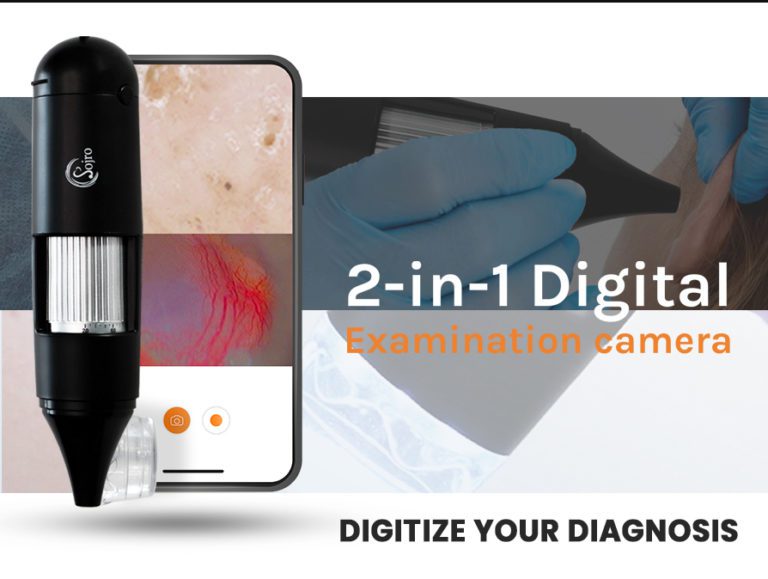 Digital Oto-Dermascope — A Complete Tool for Family Physicians