
Introduction to Choosing the Best Stethoscope for EMTs and Paramedics
Choosing the best stethoscope for EMTs and paramedics is not the same as choosing one for a quiet clinic. Emergency medical teams work in moving ambulances, at roadsides, in crowded homes and at noisy accident scenes. They need a stethoscope that is durable, easy to clean and clear enough to pick up heart and lung sounds when every second counts.
In this guide, we explain what makes a stethoscope right for emergency care, compare acoustic and digital options, and share tips to help EMTs and paramedics choose and care for their stethoscope.
Why the Right Stethoscope Matters in Emergency Care
A stethoscope is one of the fastest tools an EMT or paramedic has. In seconds, it can help them:
- Check breathing and listen for wheezing, crackles or absent breath sounds
- Assess heart sounds and rhythm
- Measure blood pressure manually when an automatic monitor is not available
- Monitor changes in a patient's condition during transport
Since René Laennec invented the stethoscope in 1816, it has remained an essential tool for early assessment. In emergency care, a clear and reliable stethoscope can help crews make faster, more confident decisions before the patient reaches the hospital.
What to Look for in the Best Stethoscope for EMTs
1. Clear Sound in Noisy Environments
Ambulances are loud. Sirens, engines and road noise can make it hard to hear faint sounds. Look for a stethoscope with good acoustic performance, a comfortable seal from the eartips, and, if possible, sound amplification or noise reduction.
2. Durability
EMS equipment is dropped, packed and moved constantly. A stainless steel chest piece and strong tubing will last much longer than lightweight plastic models.
3. Easy to Clean
Stethoscopes in emergency care must be cleaned often between patients. Smooth surfaces, quality tubing and easily replaceable parts make infection control simpler.
4. Comfort for Long Shifts
EMTs often wear their stethoscope for many hours. Comfortable eartips, a reasonable weight and flexible tubing make a big difference by the end of a shift.
5. Versatility
A dual-head design or a chest piece that works for both adults and children is useful, because EMS teams treat patients of all ages.
6. Recording and Sharing (for Telemedicine)
More EMS services now connect with physicians during transport. A digital stethoscope that can record and share sounds allows a remote doctor to listen and support decisions on the way to the hospital.
Acoustic vs Digital Stethoscopes for Paramedics
Acoustic stethoscopes are simple, light and always ready, with no batteries to charge. They are a great everyday choice for most EMTs.
Digital stethoscopes convert body sounds into electronic signals. They can amplify faint sounds, reduce background noise and, in many models, record audio. This makes them especially useful in noisy ambulances and in services that use telemedicine.
Many paramedics carry an acoustic stethoscope for routine checks and use a digital stethoscope when conditions are noisy or when sounds need to be shared with a physician.
eSteth Stethoscopes for EMTs and Paramedics
Tech4Life Enterprises offers the eSteth range, designed for healthcare professionals working in clinics, hospitals and the field.
eSteth Classic (Acoustic)
The eSteth Classic is a stainless steel stethoscope with superior sound quality and a durable, premium design. Its stainless steel construction makes it well suited to the demands of emergency work, and its comfortable design supports long shifts.
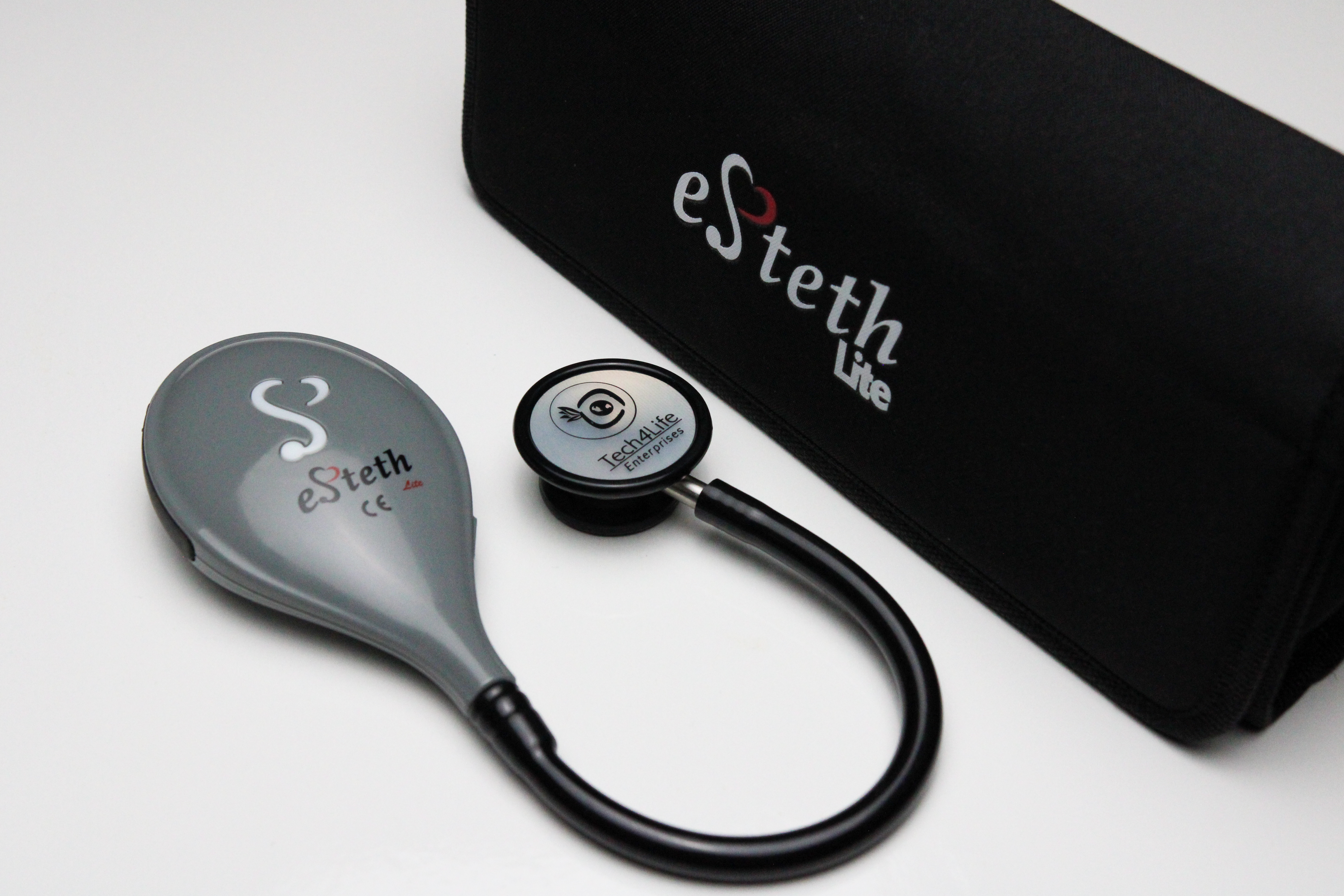
eSteth Lite (Digital)
The eSteth Lite is a digital stethoscope with recording and up to 100x sound amplification. With the push of a button, paramedics can record heart and lung sounds to review later or share with a remote doctor. This makes it a strong choice for noisy environments and telemedicine-enabled ambulance services.
Tips to Care for Your Stethoscope
- Clean the chest piece and tubing between patients with an approved disinfectant
- Avoid alcohol on the tubing for long periods, as it can damage some materials
- Store it loosely, not tightly coiled, to protect the tubing
- Replace eartips and diaphragms when they wear out
- For digital models, keep the battery charged before each shift
Frequently Asked Questions
What is the best stethoscope for EMTs?
The best stethoscope for EMTs is durable, easy to clean and gives clear sound in noisy environments. Many EMTs choose a quality stainless steel acoustic stethoscope for daily use, while a digital stethoscope with amplification is helpful in loud ambulances.
Do paramedics need a cardiology stethoscope?
Not always. A cardiology stethoscope is designed for detailed heart examinations. Most paramedics need a reliable, versatile stethoscope for general assessment, although some prefer higher acoustic performance.
Is a digital stethoscope worth it for EMS?
Yes, especially in noisy settings or where the service uses telemedicine. Digital amplification helps crews hear faint sounds, and recording allows remote physicians to listen.
How often should EMTs clean their stethoscope?
Ideally between every patient, following your service’s infection control guidelines.
Final Thoughts
The best stethoscope for EMTs and paramedics is one that fits the realities of emergency care: clear sound in noisy places, strong durability, easy cleaning and comfort for long shifts. Whether you prefer a classic acoustic design or a digital stethoscope with amplification and recording, choosing quality equipment helps you assess patients with confidence.
Explore the full range of eSteth stethoscopes to find the right option for your emergency care team.
Written by Dr. Shariq Khoja
President & CEO