AI-Based Telemedicine: A Game Changer for Rural Healthcare
Introduction to AI Telemedicine
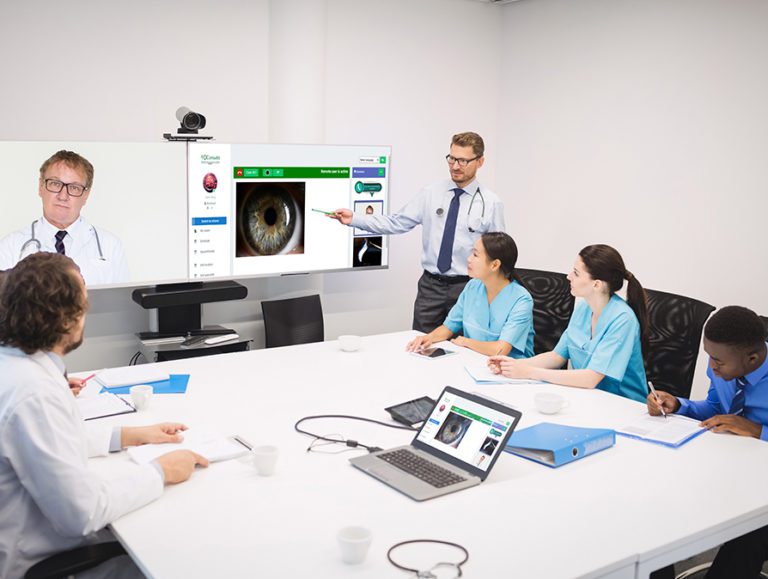
AI-Based Telemedicine is transforming Rural Healthcare Access by removing travel barriers, connecting patients with remote specialists, and supporting the continuous management of chronic diseases. This innovative approach enables healthcare providers to deliver faster, smarter, and more accessible care. It can also help reduce healthcare costs and improve patient outcomes for rural and underserved communities.
AI-based telemedicine combines virtual healthcare with artificial intelligence to support patients and healthcare providers. It can help healthcare teams review information faster, identify potential health risks, and manage patients remotely. These capabilities are especially valuable in rural areas where medical resources and specialists may be limited.
Key Benefits of AI Telemedicine for Rural Healthcare Access
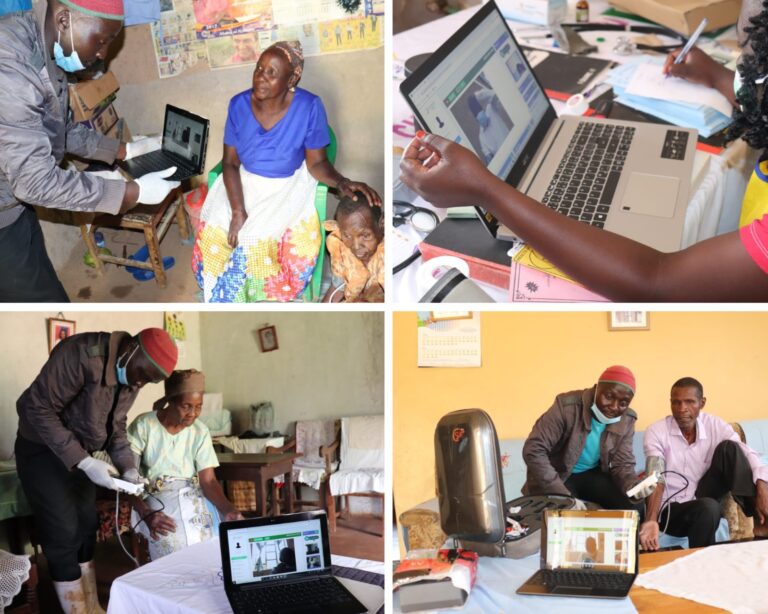
AI telemedicine can also support healthcare providers when local medical resources are limited. Patients can share information remotely, while healthcare professionals can review available data and determine whether further medical attention is needed.
Gaps in the Impact Made by Telemedicine
While telemedicine has transformed healthcare delivery, several challenges continue to limit equal access, particularly in low-resource settings.
These include:
Addressing these barriers is important for the successful adoption of AI-based telemedicine. Reliable connectivity, simple digital platforms, and proper training can make virtual healthcare easier to use.
How AI-Based Telemedicine Solves Healthcare Challenges
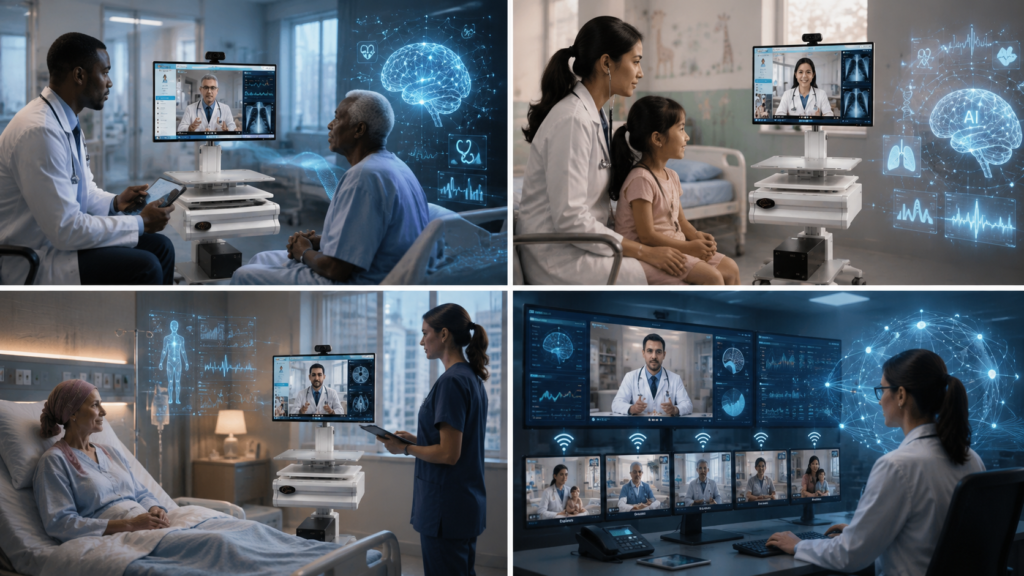
Artificial Intelligence (AI) is expanding the capabilities of telemedicine. It empowers healthcare providers with faster clinical decision-making, improved diagnostic accuracy, continuous remote patient monitoring, and automated healthcare workflows.
These innovations make virtual healthcare more efficient, personalized, and accessible.
Better Diagnostics and Smart Triage with AI Telemedicine
Remote Patient Monitoring for Rural Healthcare
Remote patient monitoring is particularly useful for people who have difficulty traveling to healthcare facilities. It allows healthcare providers to receive regular health information without requiring frequent in-person visits.
Workflow and Time Savings Through AI Telemedicine
AI can also reduce repetitive administrative tasks. As a result, healthcare professionals can spend more time communicating with patients and managing clinical needs.
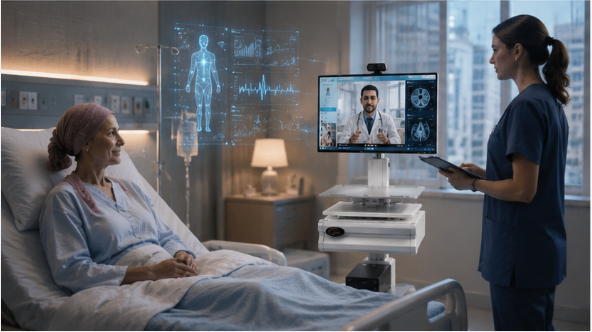
Impact of AI-Based Telemedicine on Rural Healthcare Access
AI-Based Telemedicine significantly improves Rural Healthcare Access by strengthening healthcare delivery in remote and underserved communities. It can improve early diagnosis, expand specialist access, reduce travel requirements, and support continuous patient monitoring.
The combination of artificial intelligence and telemedicine can help healthcare organizations serve more patients across large geographic areas. Rural communities can benefit from remote consultations, digital monitoring, and faster access to healthcare expertise.
Key Benefits of AI-Based Telemedicine
These benefits can make healthcare delivery more responsive and accessible. They can also support patients who need regular monitoring but live far from hospitals or specialist clinics.
Overcoming Barriers to AI-Based Telemedicine
Despite its advantages, AI-Based Telemedicine must address digital inequality through reliable connectivity, secure infrastructure, affordable technology, and healthcare workforce training.
Tech4life Enterprises is making AI-powered healthcare more accessible through affordable telemedicine Software, intelligent diagnostic devices and inclusive digital healthcare solutions that support multiple languages, diverse devices, and users with different physical or cognitive abilities.
✔ Inclusive Design and Assistive Features: Tech4Life’s AI-based Telemedicine solution, MSConsults, uses voice, speech-to-text, and real-time audio translation to allow health providers to use systems hands-free or without typing. MDConsults also uses AI models to summarize long texts and simplify complex words for people with learning or cognitive differences.
✔ Lowering Costs and Sharing Technology: MDConsults ensure the use of Knowledge Distillation to allow complex AI models to work on simpler machines and devices. MDConsults also offers smarter training methods that use less computer power and energy, making advanced AI cheaper to run.
✔ Education and Community Involvement: MDConsults offers simple training programs to allow health providers and users from all backgrounds understand how to use digital tools safely. It also involves people with disabilities and diverse local communities in testing and designing AI products from the very start.
Conclusion:
AI-Based Telemedicine is transforming Rural Healthcare Access by improving access to quality medical services, empowering frontline healthcare providers, and enabling intelligent remote patient care worldwide.
Tech4Life Enterprises MD Consults Global combines Artificial Intelligence, Telemedicine Solution, and Remote Patient Monitoring into one secure, scalable, and cost-effective platform that supports governments, hospitals, healthcare organizations, and large-scale digital health programs.
As digital healthcare continues to develop, AI-based telemedicine can play an important role in connecting underserved communities with healthcare services. Combining remote consultations, intelligent technology, and continuous monitoring can create more accessible healthcare systems for rural populations.