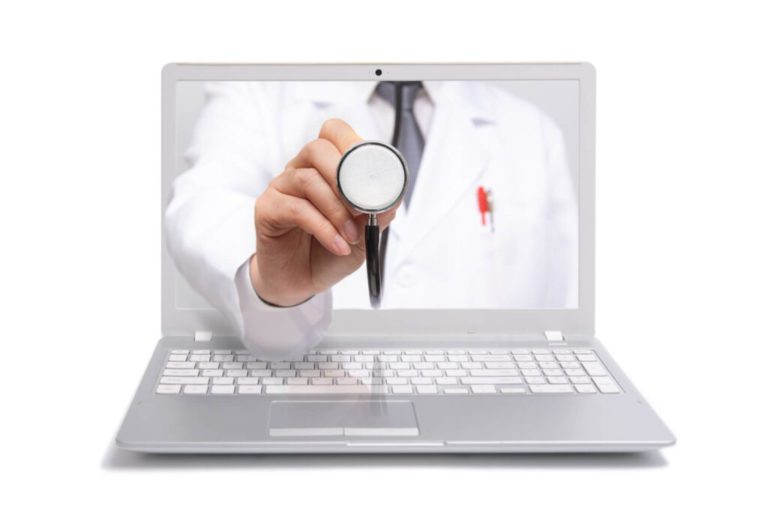
Telemedicine’s promise to improve care in Emergency Departments.
Introduction to End2End Telemedicine Solutions
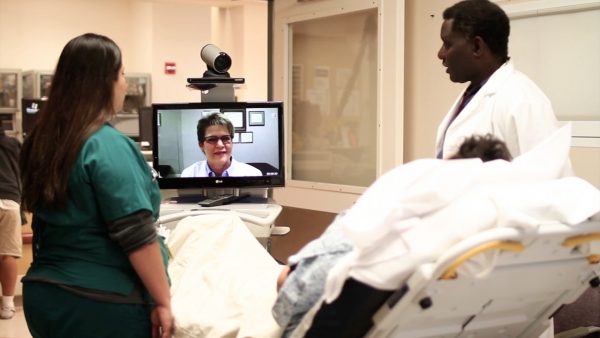
Telemedicine in Emergency Departments is transforming emergency care by helping hospitals deliver faster diagnosis, specialist consultations, and better clinical decisions. Emergency departments often experience overcrowding, staff shortages, and limited access to specialists. By integrating advanced telemedicine solutions, healthcare providers can improve patient outcomes, reduce treatment delays, and provide high-quality emergency care for patients in hospitals, rural communities, and remote healthcare settings.
Why Telemedicine in Emergency Departments Matters
Emergency departments operate under constant pressure. High patient volumes, critical medical conditions, and limited specialist availability often delay treatment.
Telemedicine in Emergency Departments enables emergency physicians to collaborate instantly with specialists, improving decision-making and reducing unnecessary patient transfers.
It also helps hospitals:
1.Improve emergency response times
2.Increase access to specialist care
3.Reduce waiting times
4.Improve patient safety
5.Support better clinical outcomes
Key Applications of Telemedicine in Emergency Departments
Patient Triage
Remote specialists assist emergency teams in identifying high-risk patients and prioritizing treatment.
Faster Diagnosis
Digital diagnostic devices and live consultations allow physicians to diagnose conditions quickly and accurately.
Stroke and Trauma Management
Telemedicine enables neurologists, trauma specialists, and emergency physicians to collaborate in real time for life-threatening emergencies.
Remote Referrals
Healthcare providers can refer patients to specialized hospitals while securely sharing medical records, diagnostic images, and clinical findings.
Benefits of Emergency Telemedicine
Hospitals implementing Telemedicine in Emergency Departments experience several advantages:
1.Faster access to medical specialists
2.Reduced patient transfer costs
3.Better emergency care coordination
4.Higher patient satisfaction
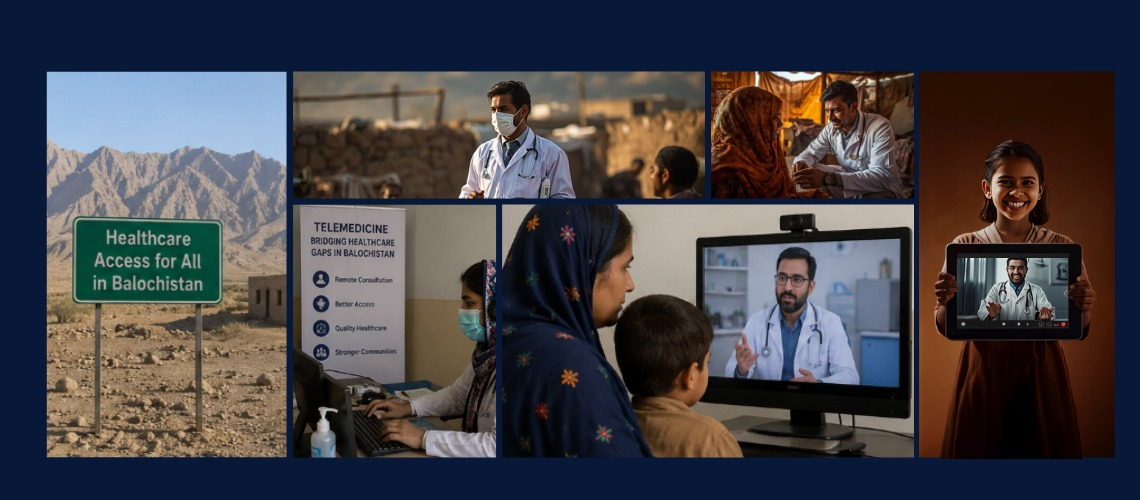
5.Improved healthcare access in rural and remote communities
6.Better clinical decision-making
7.Increased operational efficiency
8.Lower emergency department overcrowding
During COVID-19, emergency telemedicine also reduced unnecessary hospital transfers while ensuring patients received timely medical care.
Essential Technology for Emergency Telemedicine
Successful emergency telemedicine requires reliable digital health infrastructure.
Key technologies include:
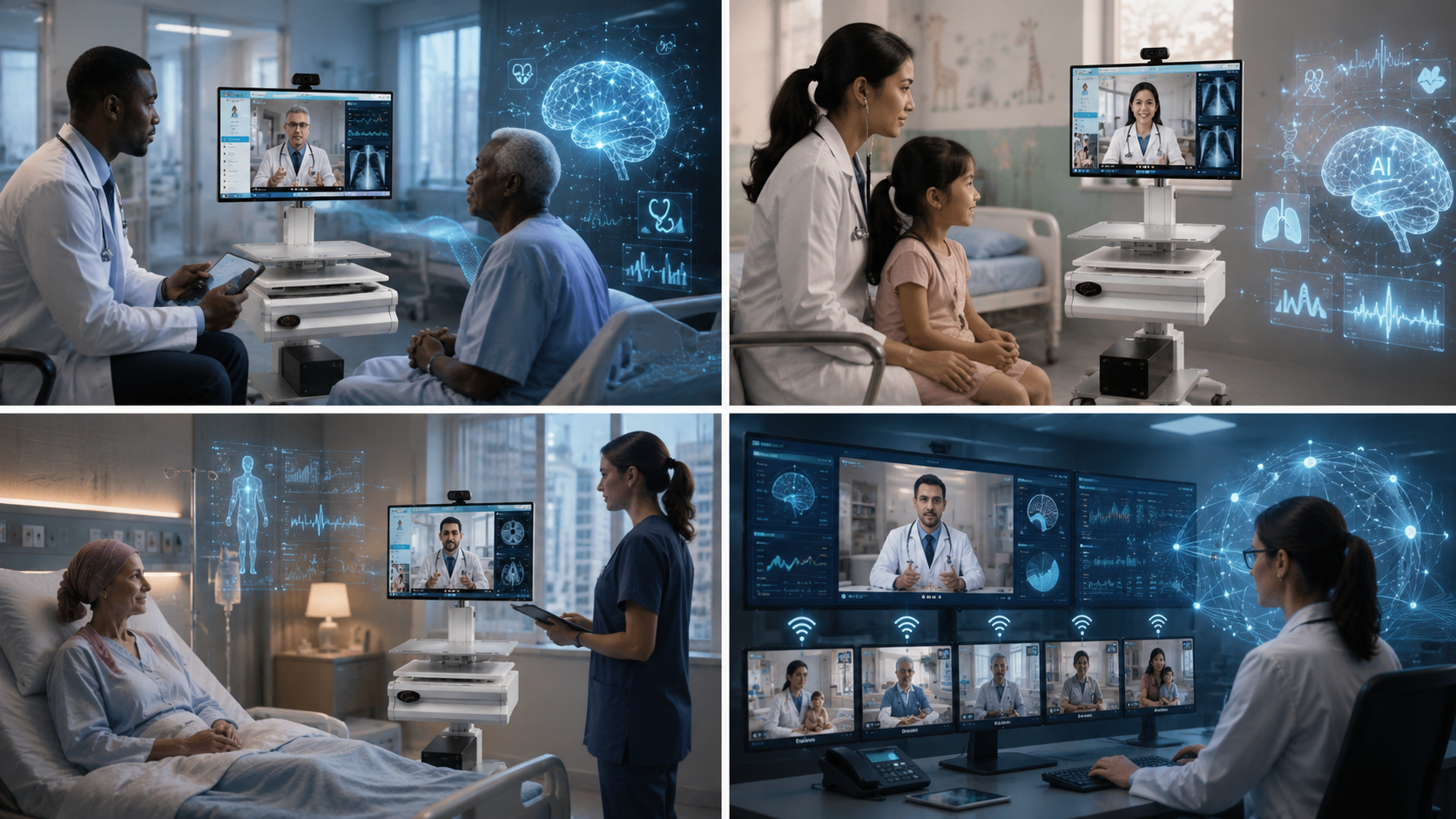
✔ Mobile Telemedicine Carts
✔ Live Video Consultations
✔ Digital Stethoscopes
✔ Digital Otoscopes
✔ Vital Signs Monitoring
✔ Increased operational efficiency
✔ ECG Integration
✔ Electronic Health Record (EHR) Integration
✔ PACS & Radiology Integration
✔ Laboratory Connectivity
✔ Pharmacy Integration
✔ Secure Cloud-Based Telemedicine Software
During COVID-19, emergency telemedicine also reduced unnecessary hospital transfers while ensuring patients received timely medical care.
Conclusion
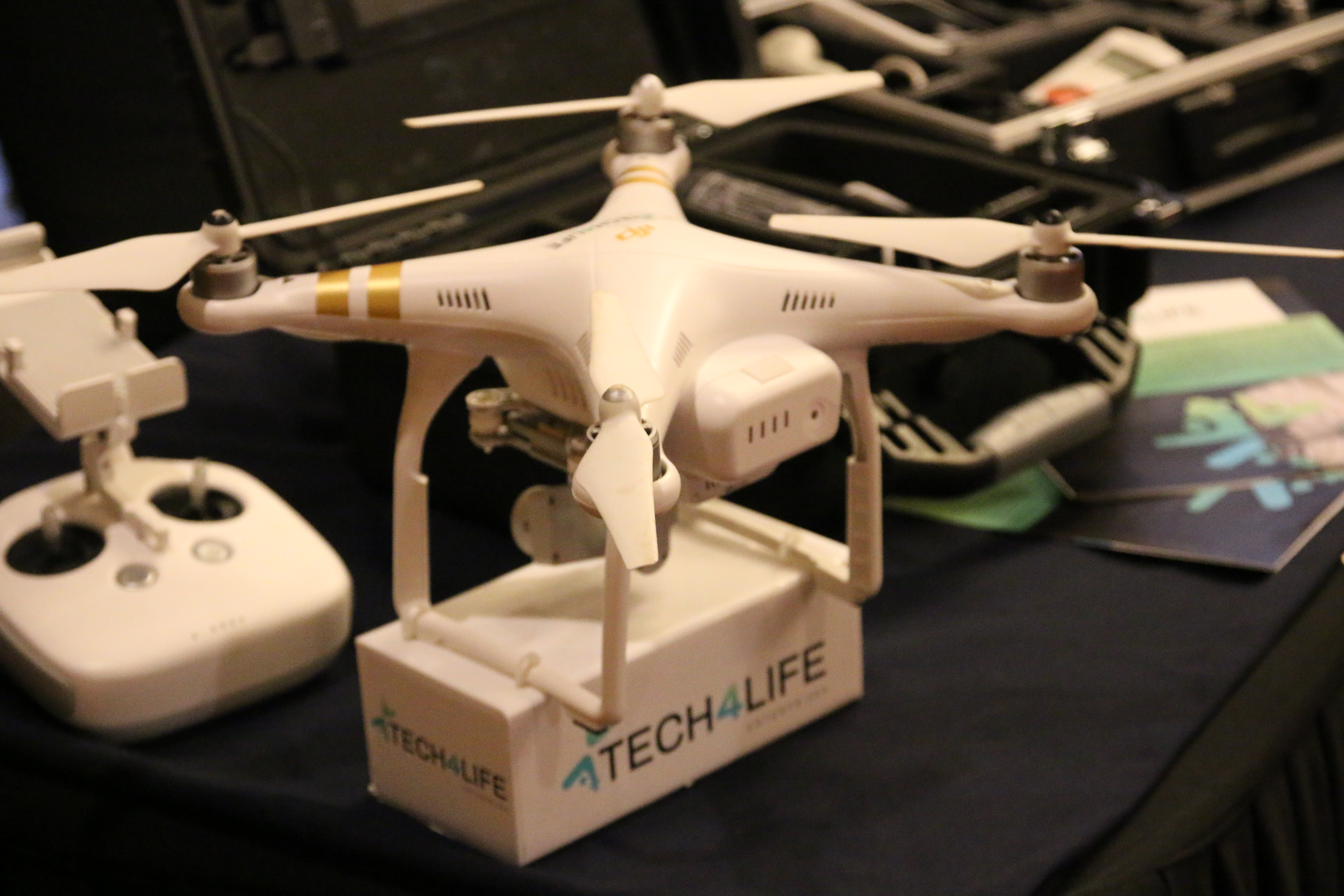
Telemedicine in Emergency Departments is becoming an essential part of modern healthcare. By enabling faster diagnosis, specialist collaboration, and efficient patient management, hospitals can improve emergency care while reducing operational costs. Tech4Life Enterprises continues to develop innovative telemedicine technologies that help healthcare organizations deliver high-quality emergency services worldwide.
Related Post