Opportunity to Eliminate Chronic Obstetric Injuries and Fistulas Through Telemedicine
Introduction to Telemedicine for Obstetric Fistula
Despite significant advances in maternal Healthcare Access, obstetric emergencies continue to threaten the lives of mothers and babies worldwide. In many low- and middle-income countries (LMICs), delayed diagnosis, limited access to skilled healthcare providers, and weak referral systems contribute to chronic obstetric injuries such as obstetric fistulas. Telemedicine offers an effective solution by improving early risk identification, remote specialist consultations, emergency referrals, and continuous maternal monitoring.
The Role of Telemedicine in Improving Maternal Healthcare
Saving lives of babies and protecting women from death and injuries during pregnancy and childbirth is not only a critical target for Sustainable Development Goals but also one of the most important agendas for several governments and international development agencies. However, shortage of trained health providers and experts in most low- and middle-income countries (LMICs), especially in rural and remote areas, makes these targets more difficult.
Telemedicine has shown promise in preventing such emergencies leading to obstetric fistulas, thus improving maternal health in many parts of the world. Following are three critical ways in which Telemedicine can help save maternal lives:
How Telemedicine Improves Maternal Healthcare in LMICs
Training and monitoring community midwives for providing better care to mothers during pregnancy and deliveries and identifying high-risk deliveries early. This can be achieved through sharing data quickly with the experts, continuous monitoring for high-risk cases, teleconsultations with obstetricians, conducting virtual ultrasounds, and AI generated models.
Improving Emergency Referral Systems Through Telemedicine
Improving referral systems is essential for reducing maternal mortality and ensuring timely access to emergency obstetric care. By connecting community health providers, emergency obstetric teams, obstetricians, transportation services, and financial support networks through Telemedicine Solutions healthcare organizations can identify high-risk pregnancies earlier and coordinate faster referrals. This integrated approach helps women receive the right care at the right time, particularly in rural and underserved communities. According to the World Health Organization (WHO) timely referrals and access to skilled maternal healthcare are critical for reducing pregnancy-related complications.
Live teleconsultations and continuous monitoring of mothers and newborns during transportation can significantly improve emergency response and clinical outcomes. Using advanced emergency care equipment, portable ultrasound devices, and MDConsults Global Telemedicine Software healthcare providers can securely transmit patient records, ultrasound images, and vital signs while consulting specialists in real time. These capabilities support faster clinical decisions, improve continuity of care, and strengthen emergency maternal health services. The UNFPA Maternal Health Programme also emphasizes the importance of timely emergency obstetric care and coordinated referral systems for saving the lives of mothers and newborns.
Conclusion
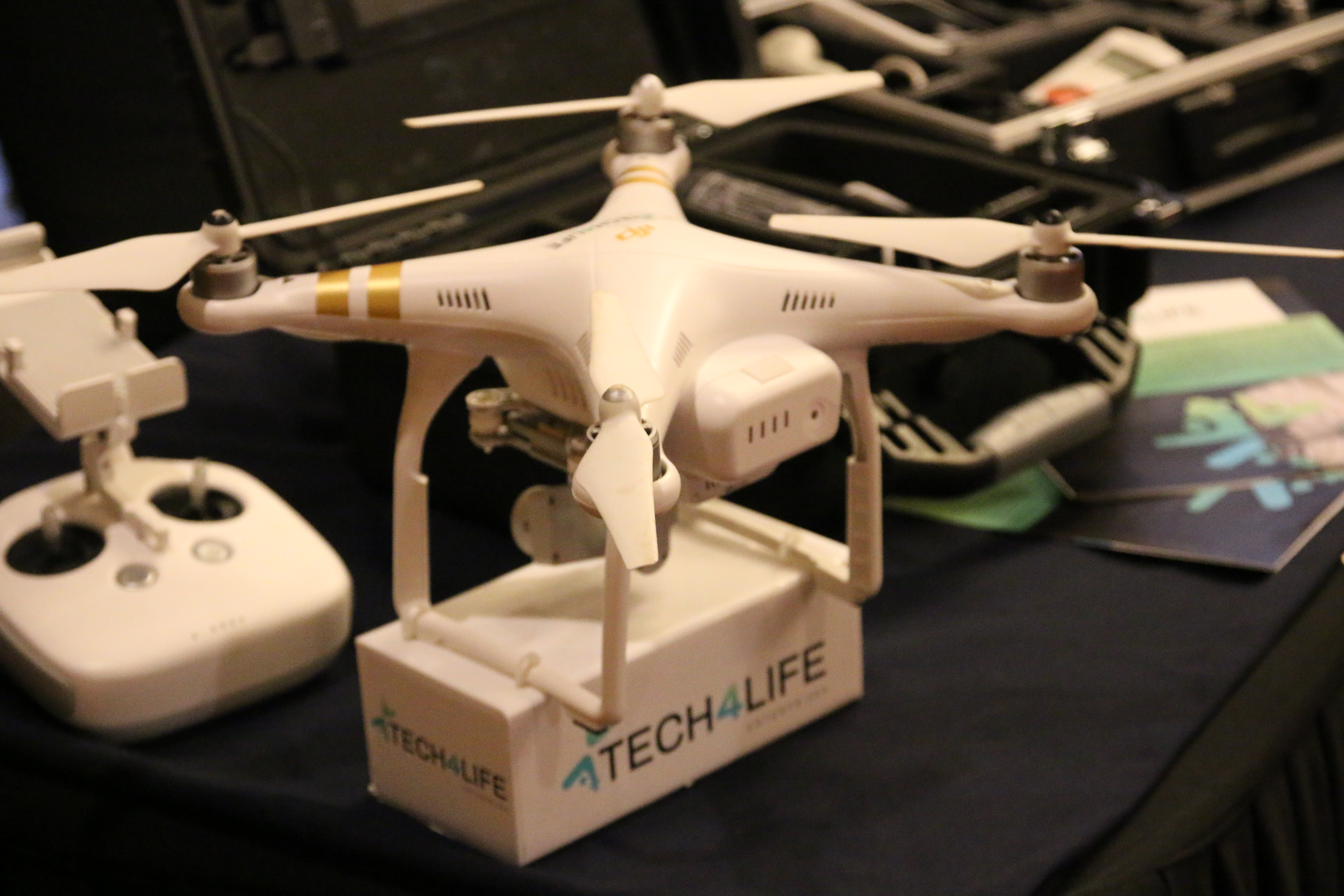
Tech4Life has designed maternal and emergency telemedicine kits, equipped with advanced vital signs monitoring, cameras, ultrasounds, doppler machines, and live telemedicine equipment, which can be used for all three critical steps described above, thus saving maternal lives in LMICs and remote parts of the world and preventing obstetric fistulas.