
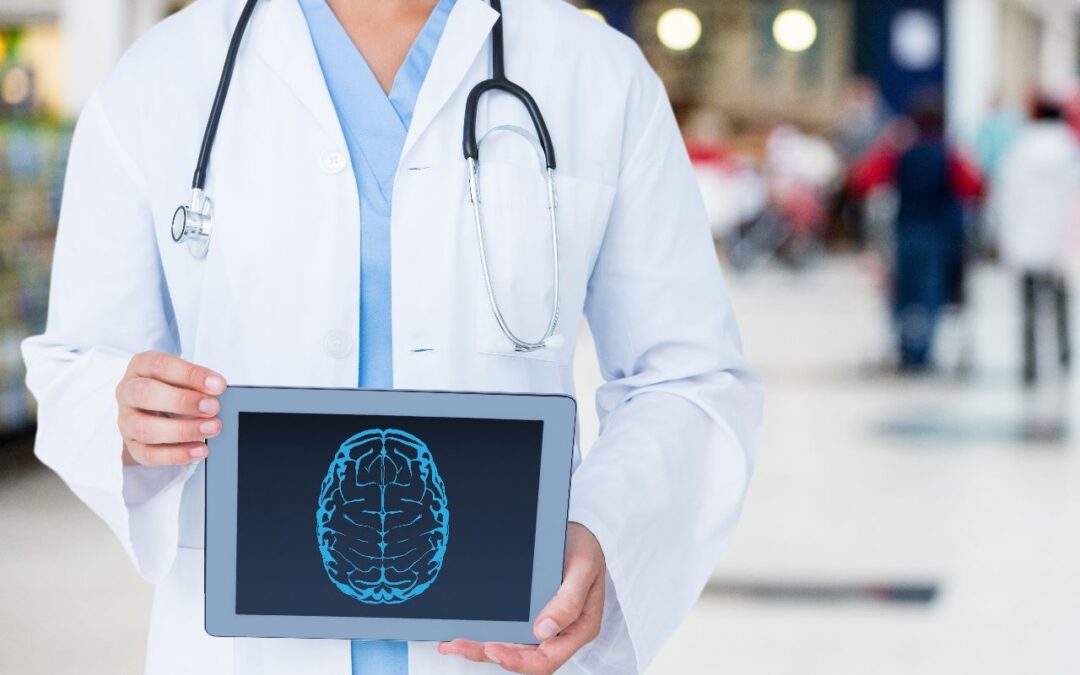
Healthcare in the developing world faces high demand and a shortage of trained health providers, especially physicians and nurses. AI in Telemedicine for Remote Healthcare can help address this challenge by connecting community-based health providers with trained physicians and specialists. Many healthcare systems also rely on other health workers in modern and traditional medicine. Telemedicine already supports healthcare delivery at a reasonable scale in many countries.
Telemedicine helps community-based health providers connect with trained professionals for diagnosis and treatment. This approach reduces the need for patients to travel long distances for medical services. As healthcare systems adopt telemedicine more widely, providers need to expand its use beyond basic communication. AI in Telemedicine for Remote Healthcare can support diagnosis, treatment decisions, remote monitoring, and personalized patient care. Artificial Intelligence and Machine Learning can further expand these capabilities in developing countries.
Application of AI in Telemedicine for Remote Healthcare:
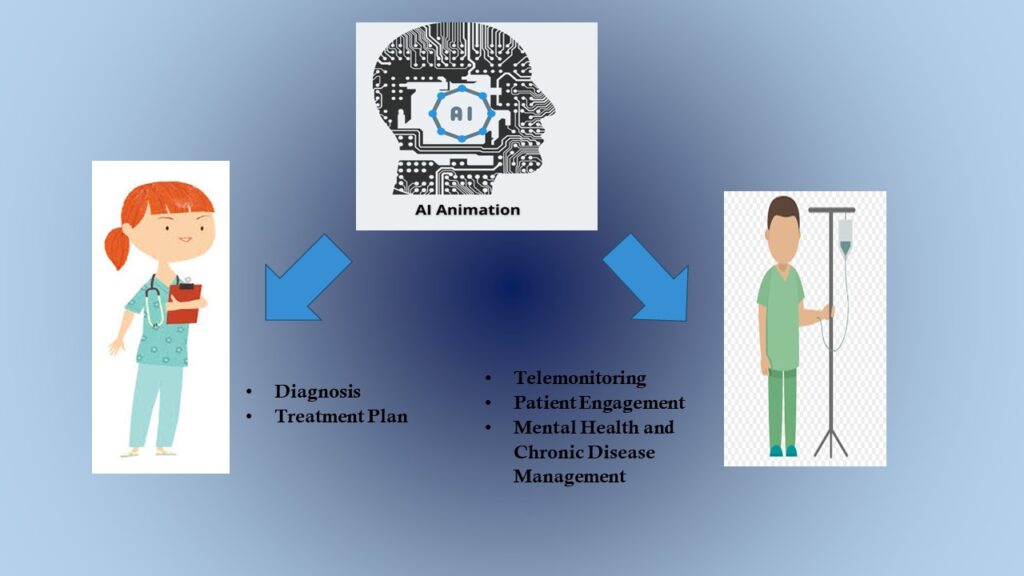
Artificial Intelligence can transform telemedicine in two major areas. First, it can support frontline health workers with diagnosis and treatment. Second, it can help patients and caregivers manage health conditions at home.
AI for Diagnosis and Treatment:
AI can support frontline health workers by analyzing patient symptoms, medical histories, test results, and medical images. These tools can help healthcare providers identify potential health conditions and make informed decisions.
- Diagnosis: AI can provide recommendations based on symptoms and medical history. It can also analyze medical images and test results, including X-rays, CT scans, and ECG/EKG readings. Frontline health providers can upload relevant patient information to an AI system. The system can then analyze the data and provide recommendations. Trained healthcare professionals can review these recommendations through synchronous or asynchronous telemedicine.
- Treatment plans: AI can help healthcare providers develop personalized treatment plans. The system can consider a patient’s medical history, preferences, local conditions, and available referral services. AI algorithms can also help providers identify suitable treatment options for individual patients.
Telemonitoring
AI for Remote Patient Care:
AI can also help patients and caregivers manage health conditions at home. This application creates opportunities for remote monitoring, patient engagement, and chronic disease management.
- Telemonitoring: Healthcare providers can use telemedicine devices and AI to monitor patients remotely. These devices can measure vital signs such as blood pressure, pulse rate, respiratory rate, blood oxygen level, weight, and body temperature. AI algorithms can analyze this information and identify patients who may need urgent attention or additional monitoring.
- Patient engagement: Interactive AI tools can help patients manage appointments, medications, and follow-up care. These tools can send reminders, answer common questions, and support appointment scheduling.
- Mental health and Chronic disease management: Healthcare providers can use AI-powered telemedicine tools to support people with mental health conditions and chronic diseases such as diabetes, hypertension, and heart disease. These applications can provide personalized care plans, track patient progress, and offer feedback. AI can also help providers identify early warning signs and predict potential complications.
The Role of AI in Developing World Healthcare:
AI in Telemedicine for Remote Healthcare can help healthcare systems reach communities with limited access to trained medical professionals. AI does not replace healthcare professionals. Instead, it can support frontline workers, improve remote monitoring, and provide useful information for clinical decision-making.
Telemedicine combined with AI can also help healthcare providers deliver care across geographical barriers. With appropriate clinical oversight, these technologies can improve the way healthcare teams monitor patients and coordinate treatment in underserved communities.
Dr. Shariq Khoja– CEO, Tech4Life Enterprises
drshariqkhoja@tech4lifeenterprises.com
Related Posts
 Tech4Life to transform Global Telemedicine through Secure, Affordable, and Environment friendly Artificial Intelligence
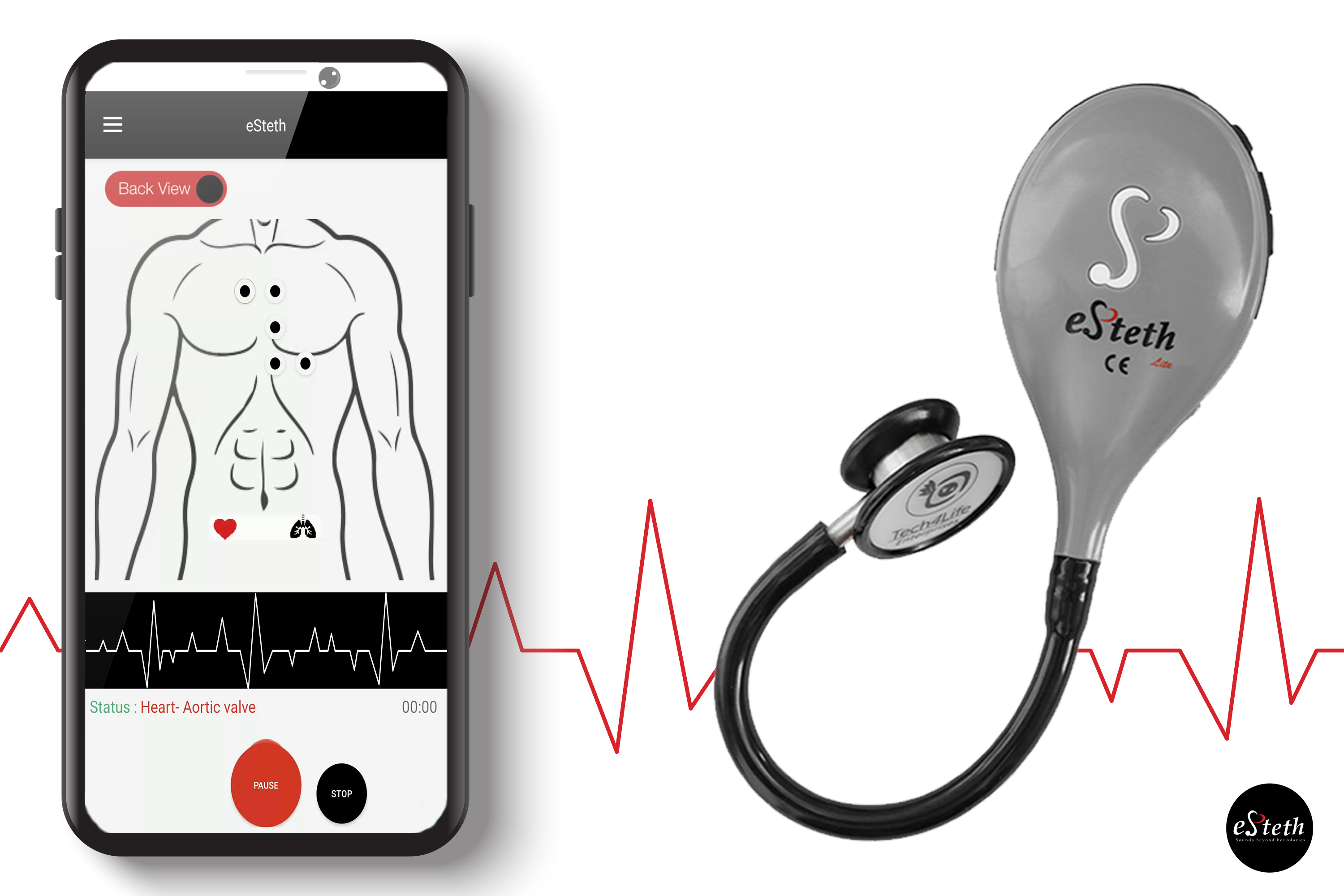 Artificial Intelligence to further Enhance the power of eSteth Digital Stethoscope.
 Rural Health Facilities in Balochistan to use Telemedicine and Artificial Intelligence to Improve Access to Health Services